Speakers
Monday (June 1, 2026)
Victor Batista
Yale University
Bio
Victor S. Batista is the John Gamble Kirkwood Professor of Chemistry at Yale University, where he has been a faculty member since 2001. He earned his B.Sc. in Chemistry from the University of Buenos Aires in 1989 and his Ph.D. in Theoretical Chemistry from Boston University in 1996. After postdoctoral research at the University of California, Berkeley, and the University of Toronto, he joined Yale’s Department of Chemistry.
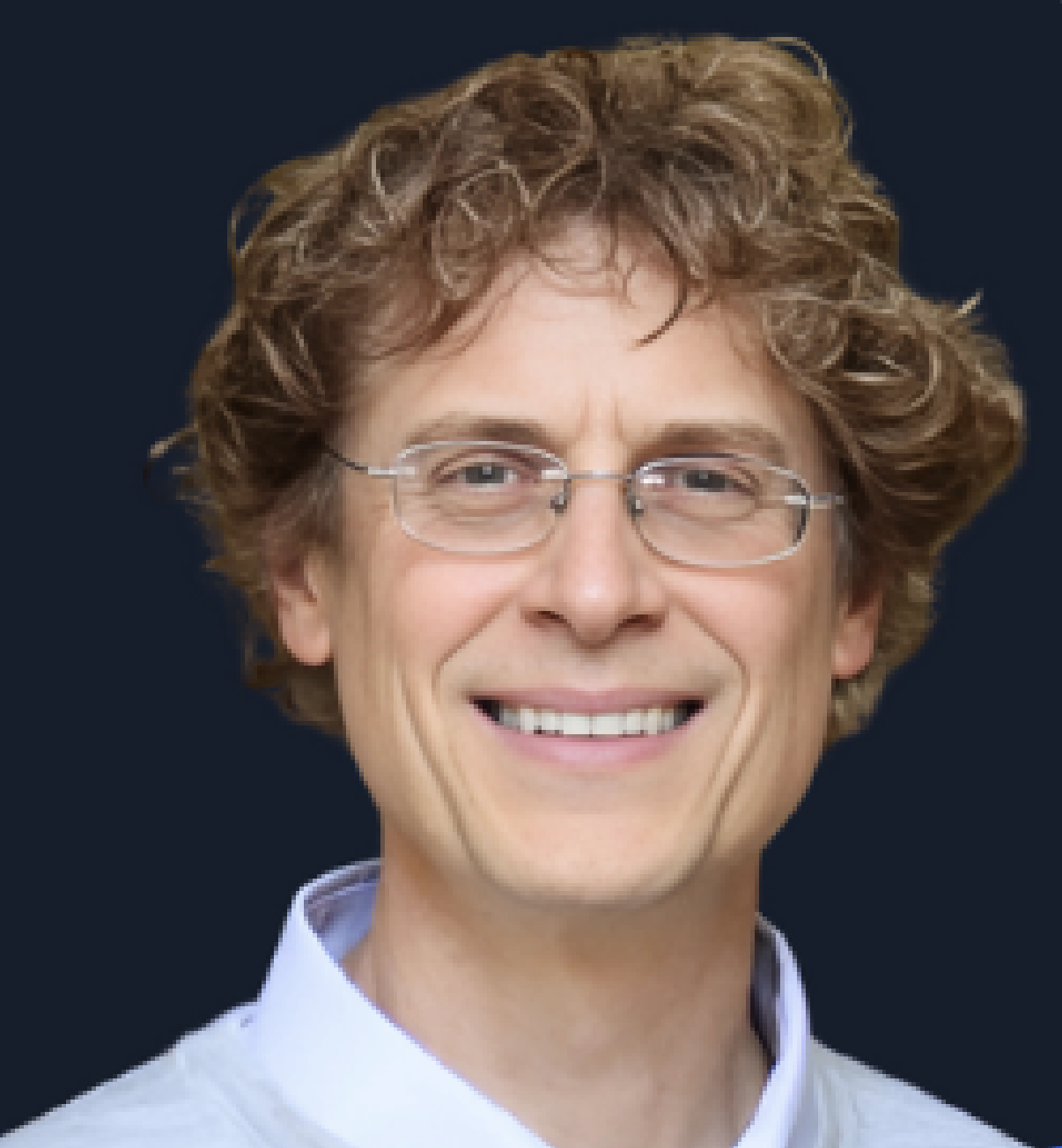
Professor Batista’s research focuses on theoretical and computational chemistry, with an emphasis on developing semiclassical and quantum dynamics methods to investigate photoinduced reactions, energy conversion, and catalytic processes. His group has published contributions to advancing the understanding of photosynthetic systems and the quantum control of chemical dynamics. As Director of the NSF Center for Quantum Dynamics on Modular Quantum Devices, Batista led a national effort to design quantum simulations of complex molecular systems using programmable Kerr-cat platforms. His recent work includes quantum machine learning for drug discovery and quantum algorithms for simulating non-Markovian chemical dynamics. He is a Fellow of the Royal Society of Chemistry and an elected member of the Connecticut Academy of Science and Engineering.
Talk Title: Quantum Machine Learning in Chemistry: A Pathway to Advancements in Drug Discovery
The nexus of quantum computing and machine learning -quantum machine learning- offers the potential for significant advancements in chemistry. This talk specifically explores the potential of quantum neural networks on gate-based quantum computers within the context of drug discovery. We discuss the theoretical foundations of quantum machine learning, including data encoding, variational quantum circuits, and hybrid quantum-classical approaches. Applications to drug discovery are highlighted, including molecular property prediction and molecular generation. We provide a balanced perspective, emphasizing both the potential benefits and the challenges that must be addressed.
Jacob Biamonte
Université du Québec
Bio
Jacob Biamonte is a Full Professor at École de technologie supérieure (ÉTS), Université du Québec, where he holds the MEIE Principal Research Chair in Quantum Computing. His research identifies the minimal physical and mathematical structures that allow quantum systems to compute, linking Hamiltonian complexity, tensor networks, variational algorithms, and hardware-aware quantum computation.
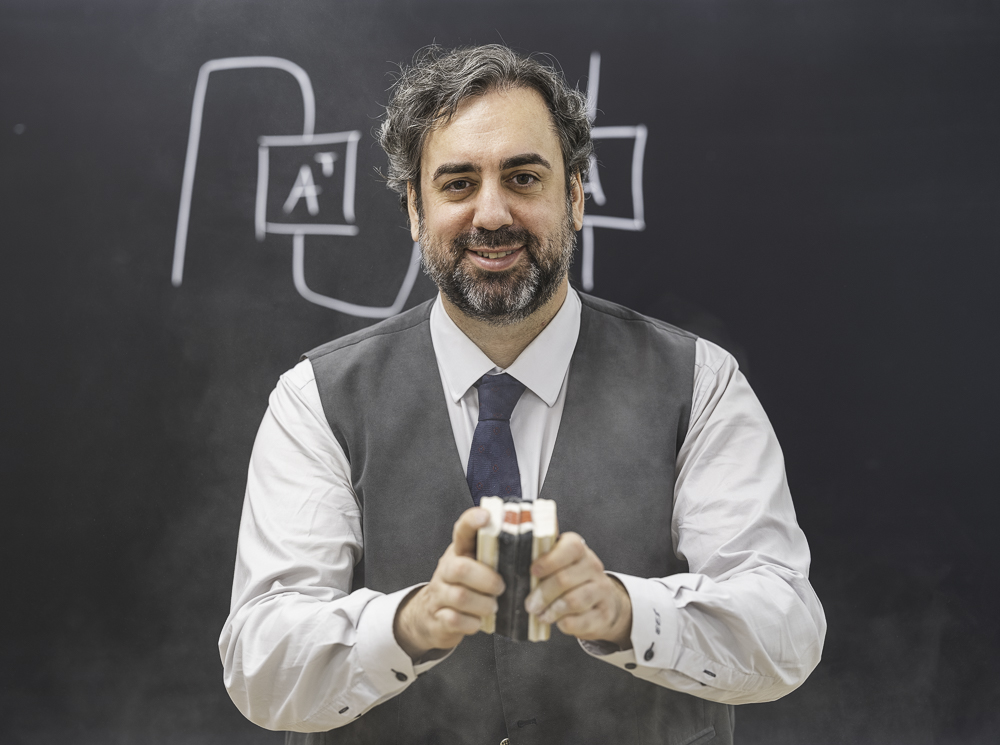
He established concrete criteria for computational universality in experimentally relevant ground-state models, including showing that the tunable transverse-Ising interaction set {ZZ,Z,X}{ZZ,Z,X} becomes universal when augmented with controllable XXXX couplings. He also proved the universality of feed-forward variational quantum computation and predicted reachability deficits and training-saturation effects that limit quantum approximate optimization. Biamonte’s work helped lay foundations for tensor-network theory by developing algebraic normal forms and graphical frameworks for reasoning with open quantum systems, connecting physical dynamics, logical representation, and trainable computation.
Talk Title: From Matrix Product States to Tensor Guards
Tensor networks provide a language in which quantum states, circuits, constraints, and contractions can be represented by the same graphical syntax. This tutorial begins with matrix product states as the simplest nontrivial setting in which this language becomes concrete: tensors carry local degrees of freedom, bonds mediate correlations, and contraction turns structure into computation. We then develop the idea of tensor guards as a primitive semantic layer for tensor-network graphical calculi.
A tensor guard is a graphical constraint which induces sector invariants: conserved structural data that determine which components of a tensor expression can contribute to a contraction. These invariants recover familiar tensor-network semantics for counting, satisfiability, and constraint propagation, while also clarifying how algebraic normal forms arise. In this framework, the Biamonte–Clark–Jaksch and the ZX/W/scalar normal forms appear as scalar-enriched compositions of guards. A further normal form emerges from complementary halves of a shared collapsed guard structure, suggesting a unified mechanism behind several diagrammatic calculi.
The session is intended as a semantic view of tensor networks as graphical systems for computation, logic, and invariants.
Alan Bidart
QuEra Computing
Bio
Alan Bidart is a Quantum Scientist focused on creating technical content at QuEra Computing. He earned a bachelor’s degree in Computer Science from Harvard, spent five years working in startups, and is now completing a joint Ph.D. in Chemistry and M.S. in Innovation Management at Brown University. At Brown, he founded the Brown Quantum Initiative, which runs a biweekly quantum seminar, monthly quantum computing workshops, and an annual intercollegiate hackathon.
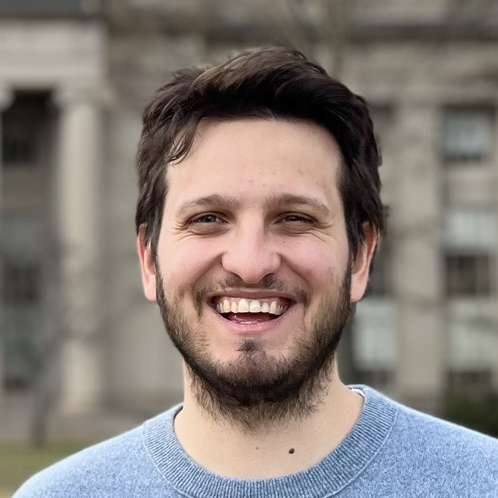
Talk Title: Synthesizing single-qubit rotations in an error corrected world
As quantum computing moves toward error-corrected architectures, even familiar operations such as single-qubit rotations require new ways of thinking. In this hands-on session, participants will explore how operations can be implemented on logical qubits and why gate synthesis becomes a central challenge in fault-tolerant quantum computing. After a short introduction to Bloqade, the SDK tailored for researchers working with QuEra systems, participants will work through an activity that highlights the transition from gates acting directly on physical qubits to gates implemented through logical, error-corrected operations. The session will emphasize the practical tradeoffs involved in synthesizing rotations, including accuracy, circuit depth, and resource overhead.
Hsin-Yuan (Robert) Huang
The California Institute of Technology
Bio
Hsin-Yuan Huang (Robert) is the CTO at Oratomic and an Assistant Professor of Theoretical Physics at Caltech. He completed his Ph.D. at Caltech under John Preskill and Thomas Vidick. His research leverages learning theory and learning algorithms to advance quantum computation, physics, and information science, with contributions including classical shadow tomography, machine learning for quantum many-body problems, and quantum advantages in learning from experiments.
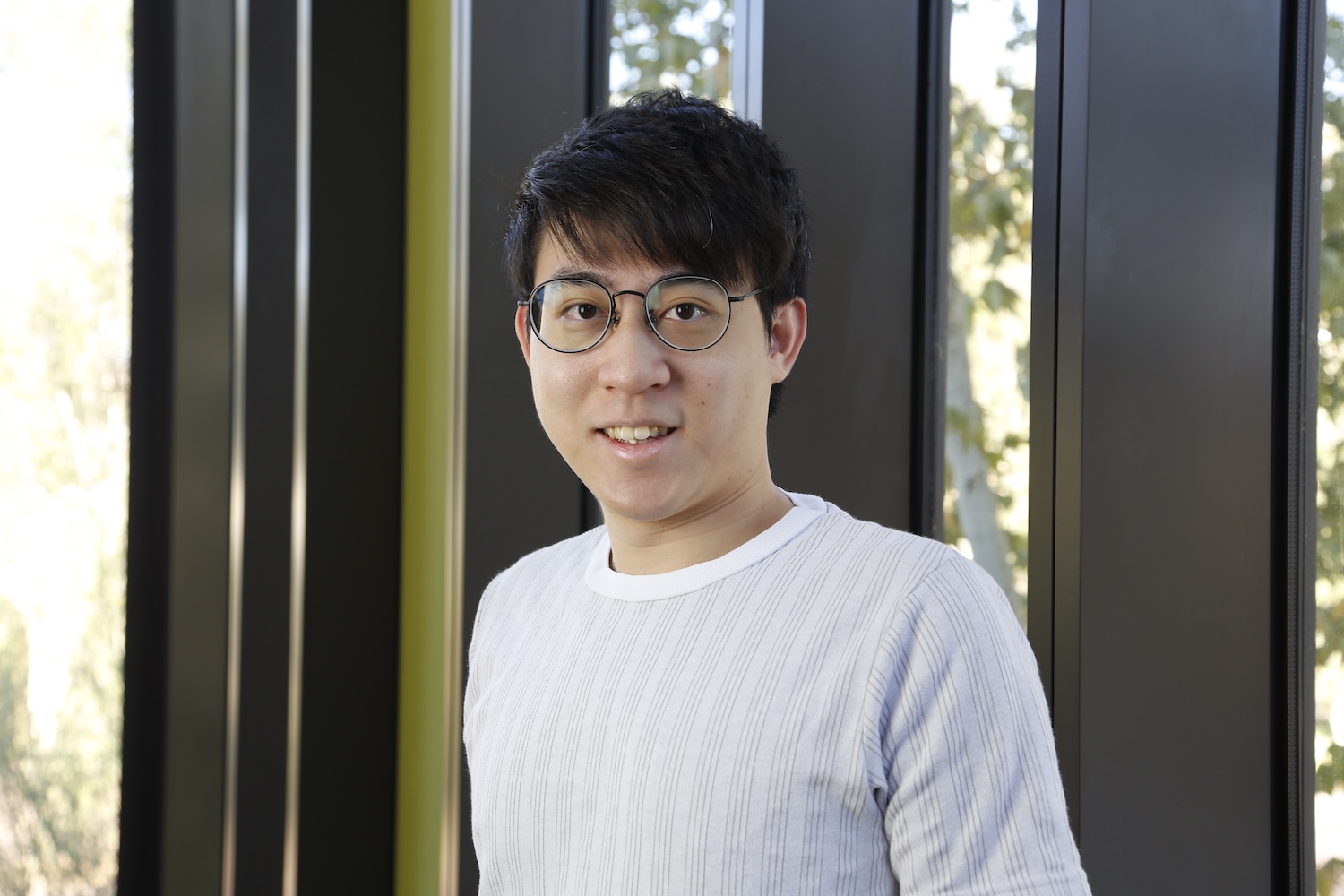
He is a recipient of the Milton and Francis Clauser Doctoral Prize for the most original Caltech doctoral thesis of 2024 and the William H. Hurt Scholar endowed professorship.
Talk Title:
Broadly applicable quantum advantage, particularly in classical data processing and machine learning, has been a fundamental open problem. In this work, we prove that a small quantum computer of polylogarithmic size can perform large-scale classification and dimension reduction on massive classical data by processing samples on the fly, whereas any classical machine achieving the same prediction performance requires exponentially larger size. Furthermore, classical machines that are exponentially larger yet below the required size need superpolynomially more samples and time. We validate these quantum advantages in real-world applications, including single-cell RNA sequencing and movie review sentiment analysis, demonstrating four to six orders of magnitude reduction in size with fewer than 60 logical qubits. These quantum advantages are enabled by quantum oracle sketching, an algorithm for accessing the classical world in quantum superposition using only random classical data samples. Combined with classical shadows, our algorithm circumvents the data loading and readout bottleneck to construct succinct classical models from massive classical data, a task provably impossible for any classical machine that is not exponentially larger than the quantum machine. These quantum advantages persist even when classical machines are granted unlimited time or if BPP=BQP, and rely only on the correctness of quantum mechanics. Together, our results establish machine learning on classical data as a broad and natural domain of quantum advantage and a fundamental test of quantum mechanics at the complexity frontier.
Travis Humble
Oak Ridge National Laboratory
Bio
Travis Humble is director of the US Department of Energy’s Quantum Science Center and a Distinguished Scientist at Oak Ridge National Laboratory. Travis leads the development of new quantum technologies and infrastructure to impact the DOE mission of scientific discovery. Travis also holds a joint faculty appointment with the University of Tennessee Bredesen Center for Interdisciplinary Research and Graduate Education to work with students in developing energy-efficient computing solutions.

Travis is chair of the ACM Publications Steering Committee on Quantum Computing and Conference Chair of the IEEE Quantum Technical Community. Travis received a doctorate in theoretical chemistry from the University of Oregon.
Talk Title: Unleashing Quantum Acceleration: From Architectures to Applications
The discovery of quantum mechanics over a century ago revealed physical behaviors that don’t match our everyday intuition. Those ideas are now empowering the development of quantum computers to solve computational problems much faster than ever before. But how do we fit quantum ideas into the ways we currently think about computation, algorithms, and software? We will examine recent progress in quantum computers and quantum algorithms to highlight where quantum computing is already helping (or is likely to help) real-world applications. We will also explain the main obstacles to wider use, including error rates, qubit counts, and scaling up to larger systems. Most importantly, we focus on the new models of computation, new ways of designing algorithms, and new approaches to building and programming reliable quantum systems needed to unleash quantum acceleration.
Frank Mueller
NC State University
Bio
Frank Mueller ([email protected]) is a Professor in Computer Science and a member of multiple research centers at North Carolina State University. Previously, he held positions at Lawrence Livermore National Laboratory and Humboldt University Berlin, Germany. He received his Ph.D. from Florida State University in 1994. He has published papers in the areas of quantum computing, parallel and distributed systems, embedded and real-time systems, and compilers.

He is a member of ACM SIGPLAN, ACM SIGBED and an ACM Fellow as well as an
IEEE Fellow. He is a recipient of an NSF Career Award, an IBM Faculty Award, a Google Research Award and two Fellowships from the Humboldt Foundation.
Talk Title: Toward Scalable Quantum Computing
Recent contributions are presented toward realizing fault-tolerant quantum computing at scale, including AI methods. Advances include more flexible choice of error correction codes, parallel methods of error decoding based on syndrome flips and GNN inference, cost modeling of logical transversals for distributed large-scale architectures, and novel simulation support for high-level operations with circuit-level error modeling.
Tuesday (June 2, 2026)
Yuri Alexeev
NVIDIA
Bio
Yuri Alexeev is a senior quantum algorithm engineer at NVIDIA Corporation and a senior member of the IEEE Society. He develops quantum algorithms, error correction and mitigation methods using CUDA-Q, AI techniques, and accelerated quantum supercomputing. He received his Ph.D. in Physical Chemistry from Iowa State University in Mark Gordon’s quantum chemistry group.
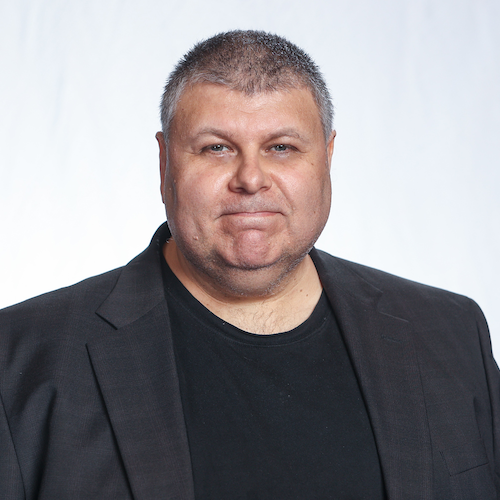
Before joining NVIDIA, Dr. Alexeev held research positions at Pacific Northwest National Laboratory in the NWChem group led by Theresa Windus, and later in the Nobel Prize winner Martin Karplus’ group at Harvard University and Université de Strasbourg. He then joined Argonne National Laboratory as a computational scientist at the Argonne Leadership Computing Facility, where he supported INCITE projects, developed quantum algorithms, and worked on quantum and HPC integration. In 2024, he joined NVIDIA’s Quantum Algorithm Engineering group to develop quantum algorithms using AI and advance CUDA-Q adoption through technical development with strategic partners and customers.
Talk Title: Evolutionary framework for generating compact circuits
Advances in large language models enable a new class of evolutionary workflows in which candidate quantum circuits are generated, evaluated, selected, and iteratively refined using automated feedback. We developed an LLM-guided evolutionary framework for finding compact quantum chemistry ansätze. It uses fermionic excitation operators, rather than using QASM gates. The operator pool includes paired double excitations, spin-adapted single excitations, opposite-spin double excitations, and same-spin double excitations. Operator selection and parameter initialization are guided by classical electronic structure information, obtained from selected CI calculations. The resulting ansatz is optimized and compressed by our LLM-guided evolutionary framework.
Victor Bastidas
NTT Research
Bio
He was born in Colombia and received his bachelor’s and master’s degrees from Universidad del Valle. In 2013, he obtained his Dr. rer. nat. (Ph.D.) in Physics from the Technical University of Berlin. He then spent two years as a Research Fellow at the Centre for Quantum Technologies in Singapore. Since 2017, he has been a Senior Research Scientist at NTT Basic Research Laboratories (NTT BRL), working on quantum simulation.
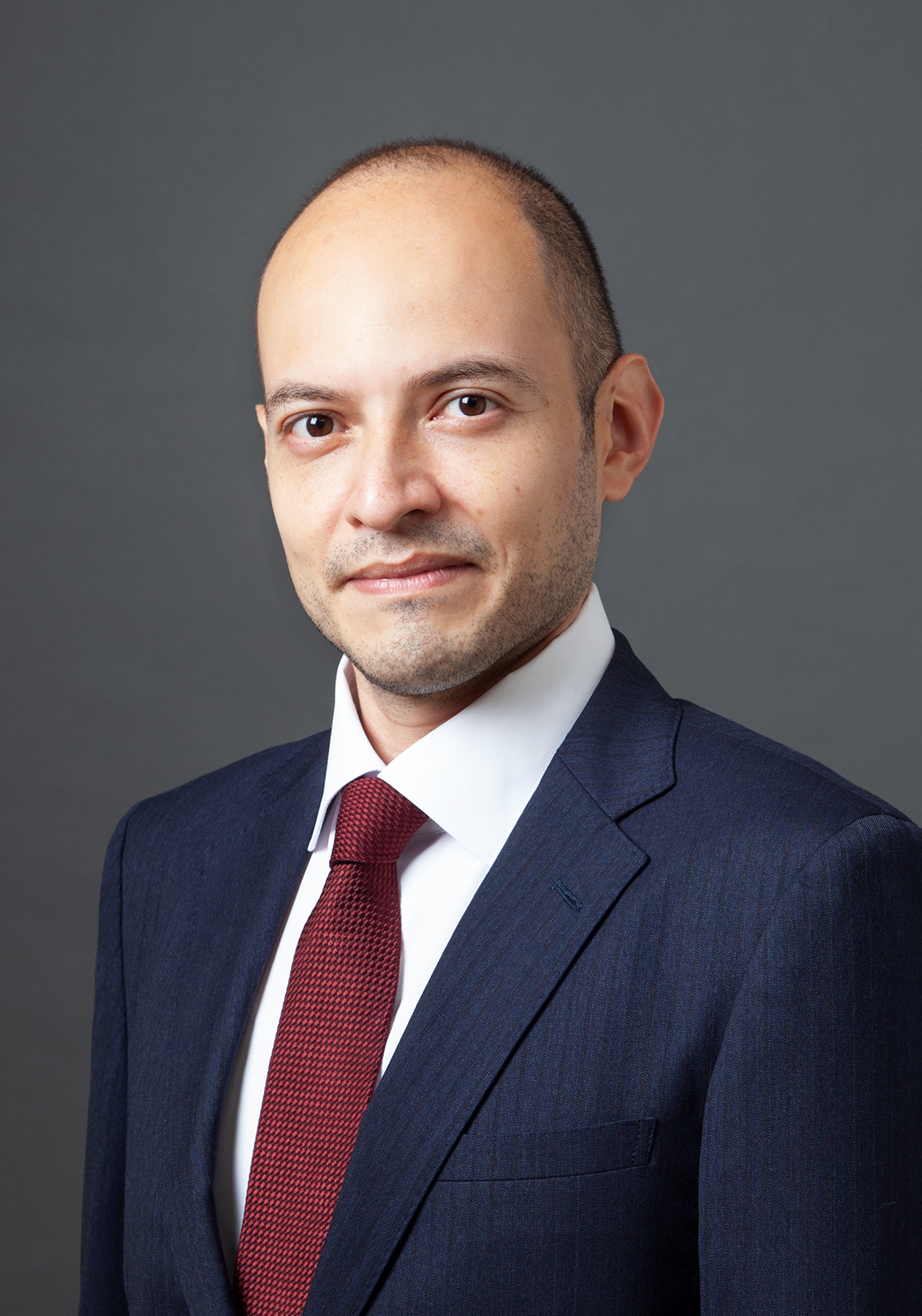
From August 2023 to August 2024, he was visiting scientist at the Chemistry department of MIT and worked at NTT Research in California. Currently he is a Senior Manager at the Advanced Applied Physical Science Laboratory at NTT BRL.
Talk Title: Symmetry-adapted quantum algorithms for simulation of many-body systems in quantum computers
Symmetry plays a central role in quantum many-body physics, yet efficiently exploiting symmetries in quantum simulations remains an open challenge. In this talk, I will present a unified framework for incorporating symmetry group transforms into quantum algorithms through efficient symmetry-adapted projections onto irreducible representations of single or commuting groups. Our approach provides scalable quantum circuits and resource estimates for common symmetry groups, including cyclic and permutation groups. I will show applications of our work to condensed-matter and quantum chemistry simulations, including symmetry-adapted state preparation, quantum evolution, and phase estimation on noisy hardware. These results establish a practical framework for leveraging symmetries in digital quantum simulations and highlight their potential for achieving quantum advantage on fault-tolerant quantum computers.
Lukasz Cincio
Los Alamos National Laboratory
Bio
Lukasz Cincio got his PhD in theoretical physics from Jagiellonian University in Poland. He then completed a postdoctoral appointment at the Perimeter Institute for Theoretical Physics before joining Los Alamos National Laboratory as an Oppenheimer Fellow. He is now a staff scientist, and his research focuses on quantum simulation and quantum machine learning.
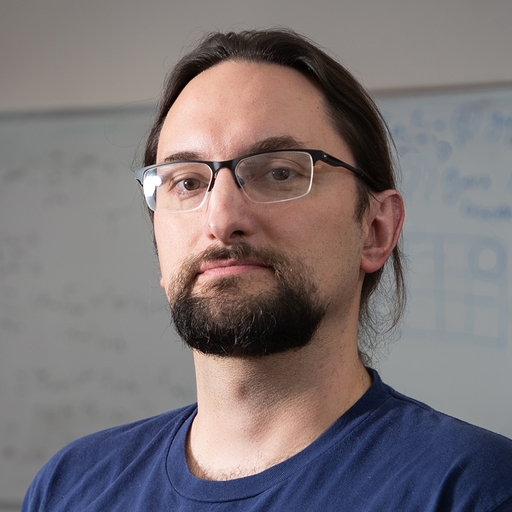
Talk Title: Scalable quantum dynamics compilation with quantum machine learning
Compiling many-body quantum dynamics into shallow, accurate, and hardware-efficient circuits is a central challenge in quantum simulation. In this talk, I will present a scalable approach to quantum compilation that combines tensor-network methods with ideas from quantum machine learning. Rather than relying solely on deterministic constructions such as Trotterization, these methods learn compact circuit representations of target dynamics from training data, enabling substantially lower gate costs while preserving high fidelity. These results show that tensor networks are not merely classical competitors to quantum computers, but powerful tools for training scalable quantum compilers. Across 1D, quasi-1D, and 2D settings, this framework achieves dramatic reductions in circuit depth, simulation error, and even fault-tolerant gate counts, pointing toward more practical quantum simulation on both near-term and future quantum hardware.
Karol Kowalski
Pacific Northwest National Laboratory
Bio
Karol Kowalski is an expert in advancing electronic structure methods and parallel algorithms for many-body methods as well as applying these formalisms to tackle complex chemical processes. He has been recognized for several important contributions in coupled cluster (CC) theory, including renormalized CC theories, multi-reference formulations, and linear response methods.

An important part of his research portfolio is associated with the development of scalable implementations of many-body formulations describing correlated behavior of electrons in molecular systems. In particular, he has developed implementations of quantum chemical methods capable of taking advantage of hundreds of thousands of processors with the concurrent utilization of various types of accelerators. Kowalski currently leads a Department of Energy, Basic Energy Sciences program Quantum Information Science project focused on enabling quantum computing for realistic chemical systems and processes.
Talk Title: Machine Learning-Generated Effective Interaction Models for Chemistry
In this talk, we present a physically informed neural network (NN) framework for representing the effective interactions arising from coupled-cluster downfolding models for chemical systems and processes. This approach, termed the VNet model [1,2], enables efficient evaluation of effective interactions across a wide range of molecular geometries and correlation regimes, spanning varying levels of complexity in the underlying many-body wave functions. Beyond computational efficiency, the NN representation reveals a structured relationship between bare and effective interactions, which can be expressed through a tangent functional dependence on a set of latent variables. We refer to this characterization as the tangent model of the effective interaction. We further discuss how this tangent model connects to earlier theoretical analyses that quantify the differences between bare and effective Hamiltonians within corresponding active spaces. More broadly, VNet and related NN-based techniques provide a unifying framework that brings together diverse many-body methodologies, enabling the construction of effective Hamiltonians across distinct domains of quantum mechanics, including quantum chemistry and nuclear physics.
[1] S. Liang, K. Kowalski, C. Yang, N.P. Bauman, “Effective many-body interactions in reduced-dimensionality spaces through neural network models,” Phys. Rev. Res. 6, 043287 (2024).
[2] S. Liang, K. Kowalski, C. Yang, N.P. Bauman, “Exploring the nexus of many-body theories through neural network techniques: the tangent model,” Machine Learning: Science and Technology 6, 025040 (2025).
David Mazziotti
University of Chicago
Bio
The principal investigator received his Bachelor’s degree in Chemistry from Princeton University in 1995 and a Ph.D. in Chemical Physics from Harvard University in 1999. He then performed postdoctoral research at Duke University and Princeton University. From 2002 to the present time, he has been on the faculty of The University of Chicago in the Department of Chemistry and The James Franck Institute.
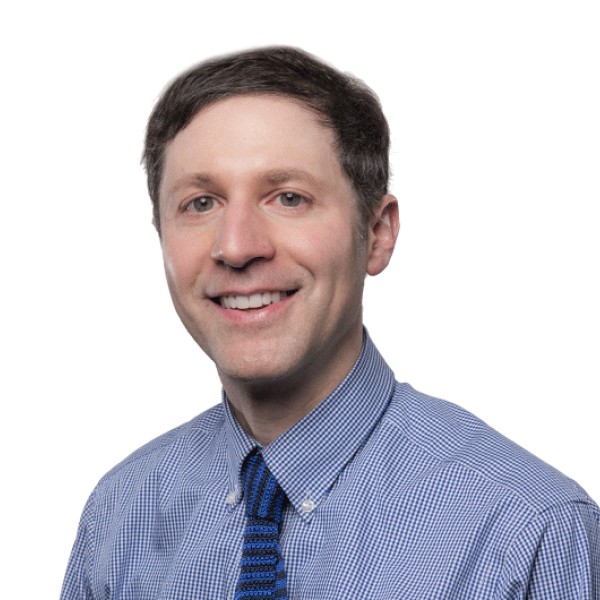
He has been awarded an Alfred P. Sloan Fellowship, a David and Lucile Packard Foundation Fellowship, the Camille and Henry Dreyfus Teacher-Scholar Award, the NSF CAREER Award, and the Microsoft Newton Award. Professor Mazziotti has organized symposiums in his area of expertise, including the symposium: “Reduced Density Matrices in Quantum Chemistry,” at the 2011 American Chemical Society (ACS) National Meeting in Boulder, CO. He has edited the book, Two-electron Reduced-Density-Matrix Theory for Many-electron Atoms and Molecules, in the Advances in Chemical Physics Series. He has also developed software for electronic structure calculations with reduced density matrices, which is available from his research group’s website. Professor Mazziotti’s research interests lie at the intersection of chemistry, physics, biology, and applied mathematics, with special interest in advanced molecular electronic structure.
Talk Title: Artificial Intelligence for Quantum Chemistry on Classical and Quantum Devices
Artificial intelligence is opening new opportunities for quantum chemistry by accelerating the design, optimization, and interpretation of algorithms on both classical and quantum devices. In this talk, I will discuss how AI can be combined with reduced-density-matrix theory and quantum algorithms to simulate strongly correlated molecular systems more efficiently. Special emphasis will be placed on hybrid quantum-classical methods, including the contracted quantum eigensolver, where machine learning can help select operators, reduce circuit depth, and improve convergence. I will also discuss how these approaches connect classical electronic-structure theory with emerging quantum devices, creating new pathways for accurate molecular simulation in regimes where strong correlation, entanglement, and near degeneracy play central roles.
Wednesday (June 3, 2026)
Bojko Bakalov
NC State University
Bio
Bojko Bakalov is a Professor of Mathematics at North Carolina State University and a co-founder and Chief Scientist of Aqceleration, Inc., a startup company developing quantum algorithms and solutions for quantum error mitigation and characterization. He received his PhD from MIT and was a Miller Research Fellow at Berkeley before joining NC State University in 2003. Bakalov’s research interests include quantum computing, mathematical physics, representation theory, and integrable systems.
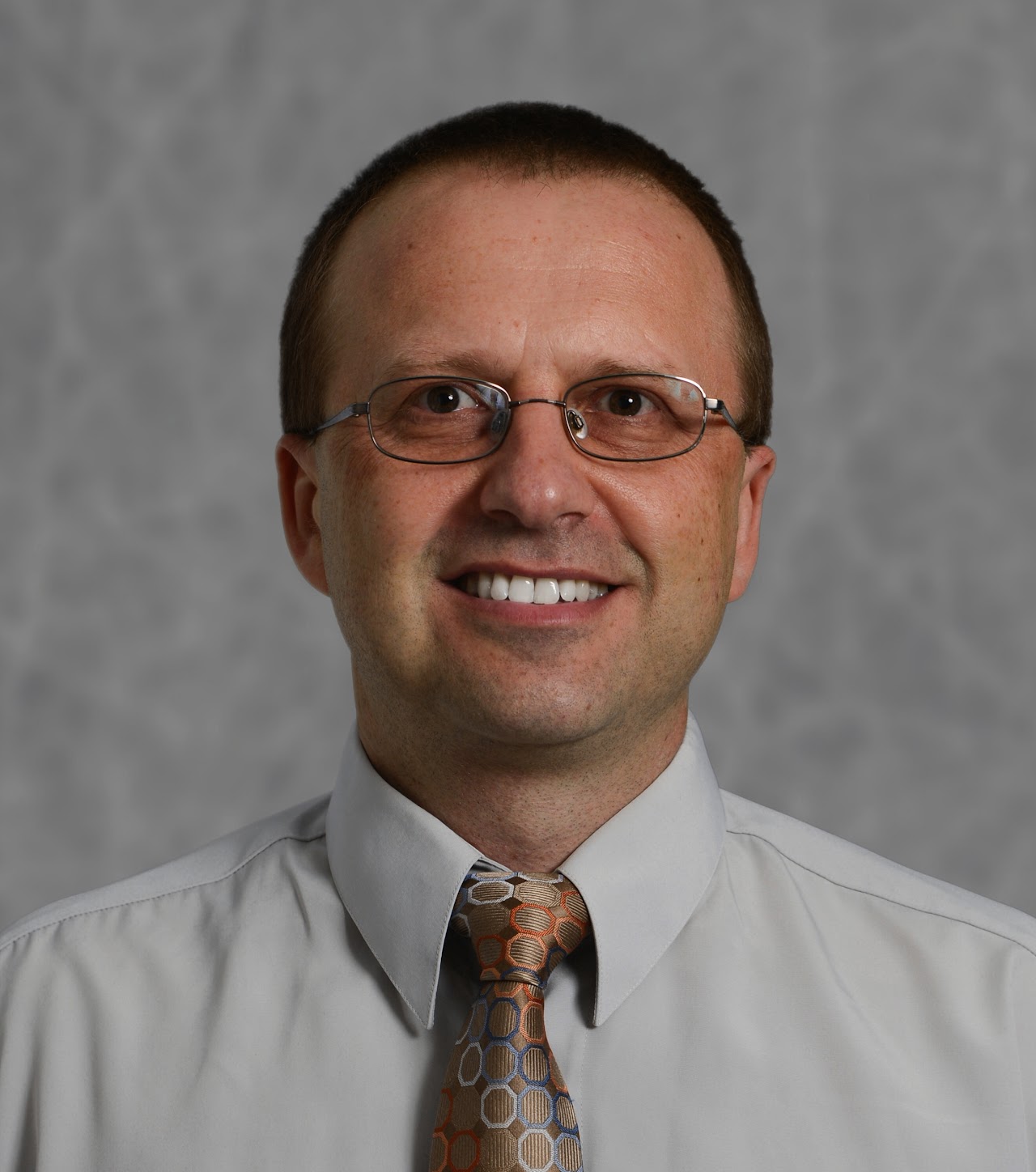
He is a recipient of the Hermann Weyl Prize of the International Colloquia on Group Theoretical Methods in Physics for original work of significant scientific quality in the area of understanding physics through symmetries.
Talk Title: Barren plateaus and dynamical Lie algebras
One of the main obstacles to the trainability of variational quantum algorithms and quantum machine learning models are barren plateaus, where the cost function (and its gradients) exponentially concentrates in parameter space as the size of the problem increases. We derive a formula for the variance of the cost function in terms of the dynamical Lie algebra (DLA) of the parametrized quantum circuit, i.e., the Lie algebra generated by the Hamiltonians in the circuit. We present a classification of DLAs generated by 1- and 2-local Pauli operators acting on a spin chain or more generally placed on the edges of an arbitrary interaction graph. Finally, we explicitly determine the DLA associated with the Quantum Approximate Optimization Algorithm with a Grover mixer. We prove that the dimension of the DLA grows polynomially with the number of qubits, and as a consequence, barren plateaus are avoided.
Kevin Chern
D-Wave Quantum
Bio
I joined D-Wave four years ago as a researcher on the benchmarking team where I developed and benchmarked quantum-classical optimization heuristics. Over the past couple of years, I have pivoted my research towards developing machine learning methods capable of exploiting the sampling efficiency of annealing quantum computers. I now lead the Machine Learning Development team at D-Wave and work closely alongside other research and software teams. My academic background is in computer science and statistics specializing in Monte Carlo methods.

Talk Title: Introduction to Annealing-Based Quantum Machine Learning
Significant machine learning progress has been realized in the past decade—from performing simple classification tasks to the advent of large language models. The accelerated adoption of deep neural networks can be partly accredited to the computational efficiency and accessibility of graphical processing units (GPUs). This success has resulted in an increased demand for compute-resource alternatives to GPUs. With the maturation of annealing quantum computing, research is being realized to place annealing quantum processing units (QPUs) as viable technology for machine learning applications. In this talk, I will present a practical approach to exploiting the sampling efficiency of annealing QPUs for performing neural network computations in discriminative modelling tasks. This demonstration consists of a series of experiments involving scalable models with varying degrees of contribution from annealing QPUs.
Kathleen Hamilton
Oak Ridge National Laboratory
Bio
Dr. Kathleen E. Hamilton is a research scientist in the Quantum Computational Science Group at Oak Ridge National Laboratory. Over the past decade she has worked in many areas related to developing algorithms and benchmarks for next-generation computing platforms, including quantum annealers, gate-based quantum computers, and neuromorphic processors. She is interested in designing, analyzing and characterizing hybrid computing workflows that target machine learning applications.
Talk Title: Quantum Generative Models: From Born Machines to Energy-Based Models
Generative models are powerful machine learning tools that can learn the probability density of a dataset and trained models have many uses in downstream tasks. The inherently probabilistic nature of these models makes them an interesting candidate for quantum algorithms. This talk will provide a brief overview of different constructions, training pipelines and data loading strategies to highlight current challenges and opportunities for development in this field.
Bryan Harris
SAS
Bio
As Executive Vice President and Chief Technology Officer, Bryan Harris is responsible for SAS’ award-winning software portfolio that empowers organizations with data and AI. In this role, he leads a global research and development (R&D) organization of nearly 4,000 people that focuses on product design, engineering, advanced analytics and AI, industry solutions, modeling and quantum computing.
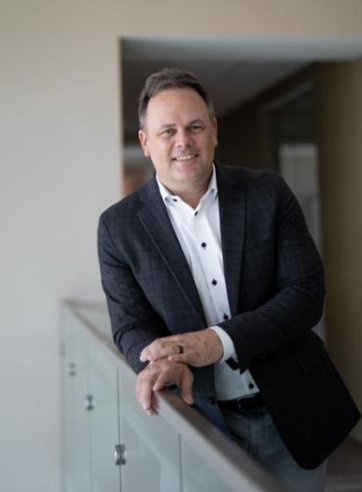
Under Harris’ leadership, SAS launched the cloud-native SAS Viya platform and unified the entire portfolio across industry solutions and models. He is also known for his dedication to fostering a purposedriven and inclusive culture within the R&D organization. He has led several initiatives to support professional growth and encourage cross-divisional collaboration, all of which contribute to SAS’ reputation as a top employer in the technology industry.
Talk Title: Proving Quantum Advantage: Benchmarking Hybrid Quantum–Classical Workflows from NISQ Experiments to Enterprise Decisions
Quantum will not replace classical computing—it will augment it as an accelerator inside real decision workflows. Yet most teams attempting quantum today hit the same walls: skills gaps, high experimentation costs, and uncertainty about where quantum helps (and where it doesn’t). In this keynote, we’ll share how SAS is approaching “applied quantum” by enabling side‑by‑side classical vs. quantum vs. hybrid comparisons for realistic use cases and by focusing on repeatability, defensibility, and cost efficiency. We’ll introduce the rationale behind SAS® Quantum Lab, a Viya-surfaced environment built to reduce the friction of experimentation through guided learning and development-time acceleration (parallelism, caching, and autotuning) before executing on QPUs.
Lex Kemper
NC State University
Bio
Alexander (Lex) Kemper is a Professor of Physics at NC State University and Principal Investigator of the Kemper Lab. He received his PhD in Physics from the University of Florida in 2010, followed by postdoctoral positions at Stanford University/SLAC National Laboratory and as an Alvarez Fellow at Lawrence Berkeley National Laboratory. His research spans non-equilibrium physics of complex materials and quantum computing, with a particular focus on the intersection of quantum computing and condensed matter physics.
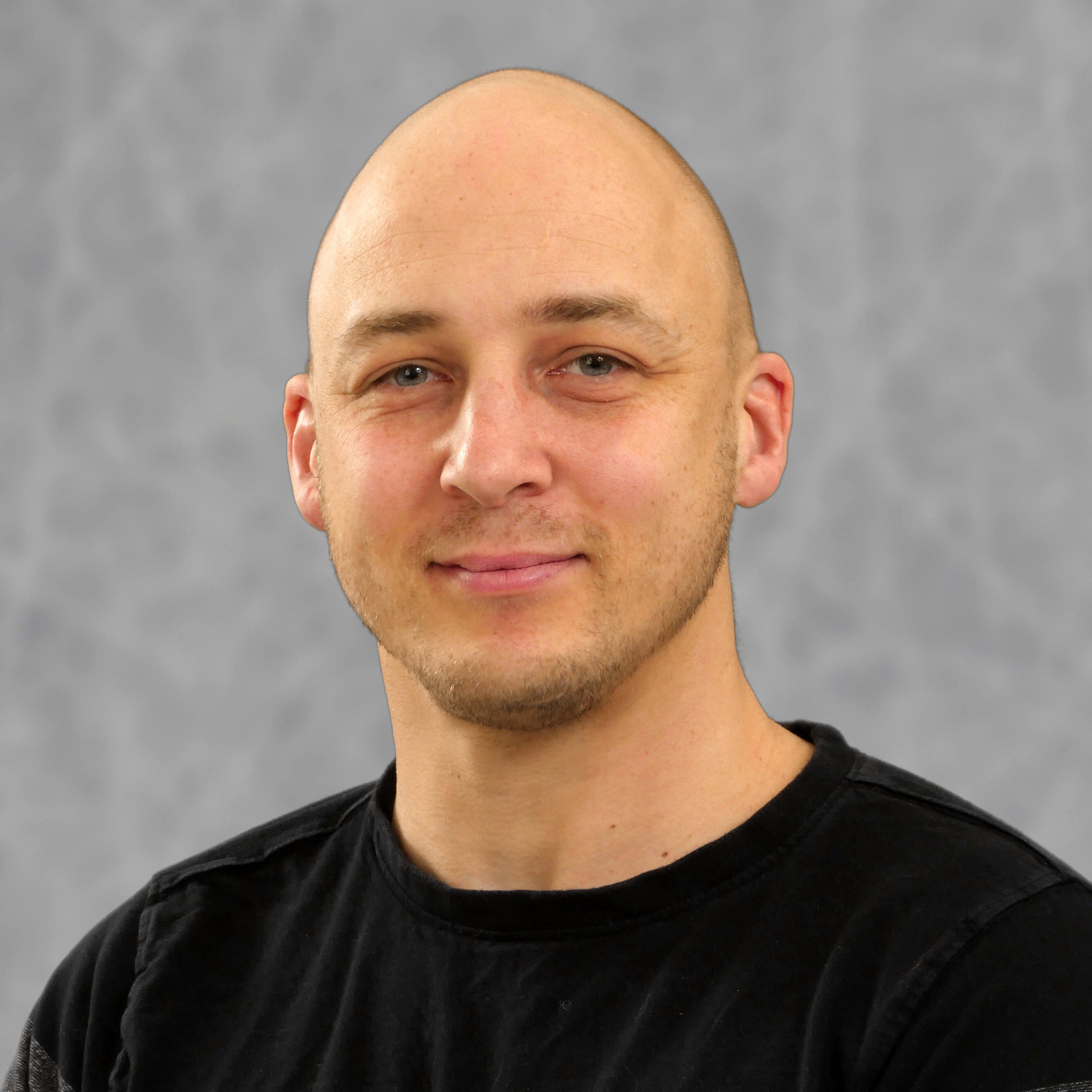
Talk Title: Cheaper and more noise-resilient quantum state preparation using eigenvector continuation
Subspace methods are powerful, noise-resilient approaches for preparing ground states on quantum computers. The key challenge is obtaining a subspace with a small condition number that spans the states of interest while minimizing quantum resource requirements. In this talk, I will discuss how eigenvector continuation (EC) can be used to build such subspaces from the low-lying states of a set of Hamiltonians, with basis vectors prepared using truncated versions of standard state preparation methods — including imaginary time evolution (ITE), adiabatic state preparation (ASP), and the variational quantum eigensolver (VQE). By combining these truncated methods with EC, we directly improve upon them, achieving more accurate ground state energies at reduced cost, and demonstrate convergence even in challenging cases where ITE and ASP fail (e.g., ASP in the presence of level crossings and ITE with vanishing energy gaps).
Chris Monroe
Duke University
Bio
Christopher Monroe is the Gilhuly Family Presidential Distinguished Professor of Electrical and Computer Engineering and Physics at Duke University. He is also the Co-Founder and Chief Scientist of IonQ, Inc., the first public quantum computing company. Monroe has pioneered nearly all aspects of atom-based quantum computers and simulators, from demonstrations of the first quantum gate, monolithic semiconductor-chip ion trap, and photonic interconnects between physically separated qubits; to the design, fabrication, and use of full-stack ion trap quantum computer systems in both university and industrial settings.
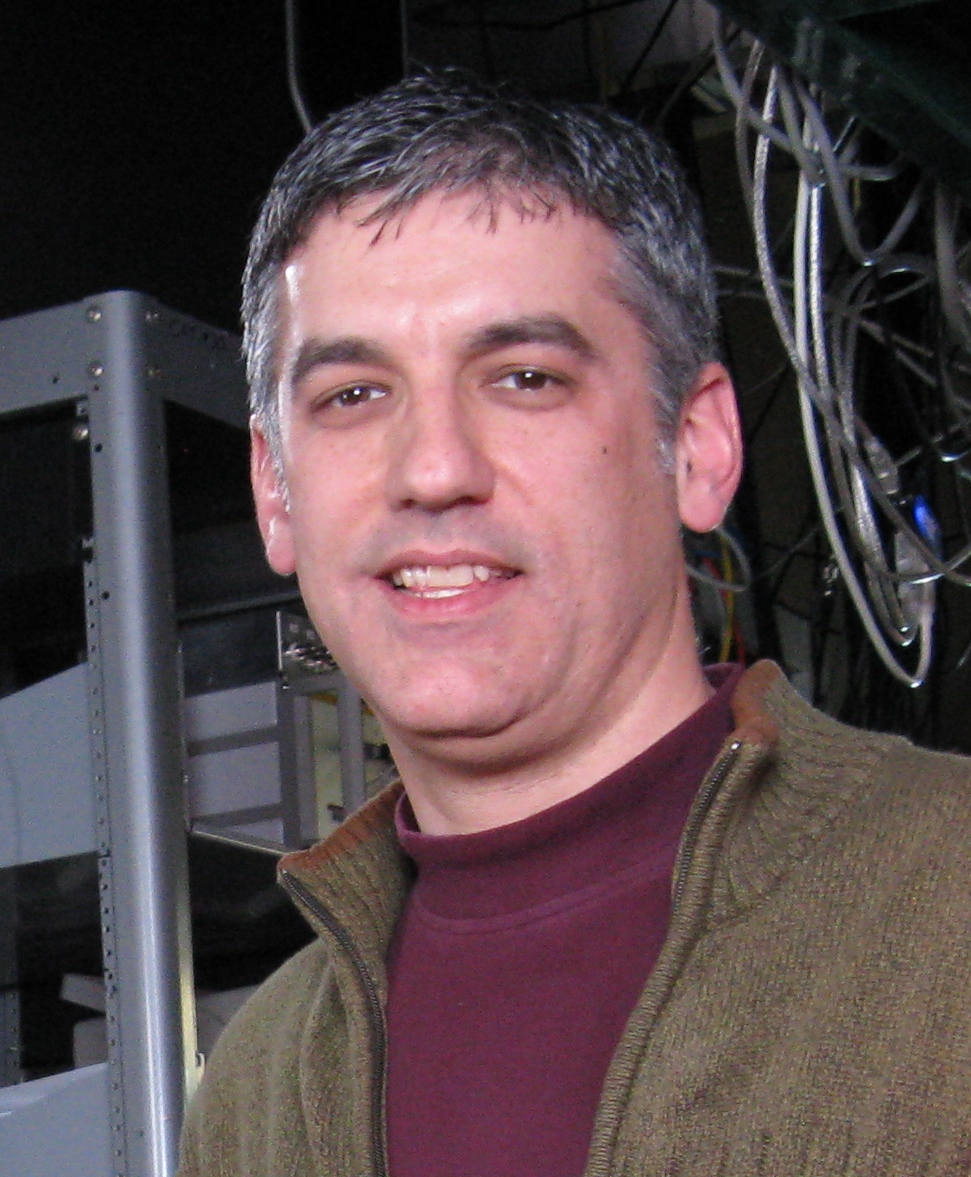
He is a key architect of the US National Quantum Initiative, a Fellow of the American Physical Society, Optical Society of America, the UK Institute of Physics, the American Association for the Advancement of Science, and is a member of the National Academy of Sciences.
Talk Title: Quantum Machine Learning with Atom-Based Quantum Computers
Quantum computers based on natural quantum systems such as atomic qubits allow high performance gates, readout, and a reconfigurable and modular architecture. These last attributes may be critical for many families of applications requiring classical optimization of parameters that drive a generic entangling circuit. I will summarize a recent project on ion trap quantum computers at the Duke Quantum Center involving binary image classification using a pretrained quantum encoder. We pretrain an encoder in a self-supervised manner by treating augmented versions of the same example as positive pairs, without using labels. Similarity for the contrastive objective is computed from measured quantum state overlaps rather than from a classical feature projection. The pretrained encoder improves downstream training with limited labels, increasing average accuracy and reducing run-to-run variability, with the strongest gains in low-label regimes. I will also speculate on the future of this type of heuristic quantum computing algorithm into the future.
Thursday (June 4, 2026)
Catalina Albornoz
Xanadu
Bio
Catalina Albornoz is Senior Research Engagement Manager at Xanadu. She works closely with researchers from around the world, helping them leverage PennyLane to achieve breakthroughs and ensuring it remains the premier software tool for quantum computing. She often gives talks and workshops, and she has led the efforts for using PennyLane in education, as well as organizing events such as QHack and the Quantum Software 2.x workshops.
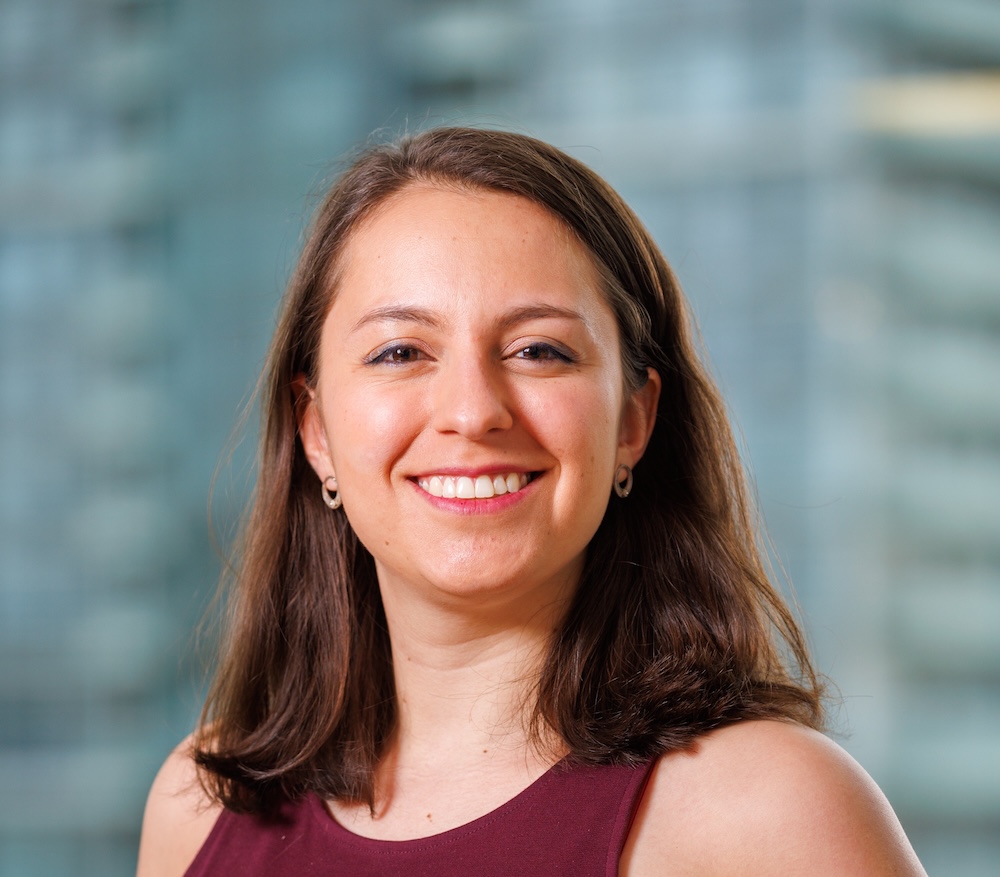
Before joining Xanadu, Catalina worked at IBM, where she was an IBM Quantum Ambassador. She earned her MSc in Electronics from Los Andes University and an Engineering Diploma from IMT Atlantique in France, specializing in autonomous systems and control systems.
Talk Title: Train classical, deploy quantum with PennyLane
In this session, participants will learn how to leverage PennyLane to design quantum algorithms. From inspiration to implementation, students will gain the practical software know-how needed to build the new frontier in QML research.
While variational algorithms have been widely studied in QML, the frontier of research is rapidly expanding into novel architectures. This hands-on session will step beyond the standard models and explore a new framework: train classical, deploy quantum.
Using PennyLane, an open-source platform for designing, compiling, and realizing meaningful quantum algorithms, participants will learn the core tools needed to construct and explore applications such as IQP circuit optimization. This session pushes beyond basic simulation and leverages PennyLane’s advanced ecosystem to explore generative machine learning tools, compilation at scale, and resource estimation.
Yuan Liu
NC State University
Bio
Dr. Yuan Liu is an Assistant Professor at North Carolina State University, with joint appointments in the Department of Electrical and Computer Engineering and the Department of Computer Science. Prior to joining NC State, he was a postdoctoral researcher at Massachusetts Institute of Technology. He received his B.S. in Physics from Tsinghua University, his M.S. in Electrical Engineering and Ph.D. in Chemical Physics from Brown University, where he was a Presidential Fellow.

His research lies at the intersection of quantum information science, theoretical chemistry and physics, and quantum engineering. He is the recipient of the Goodnight Early Career Innovator Award and the ECE Rising Star Award.
Talk Title: Quantum Computing with Oscillators and Qubits
Hardware platforms based on native continuous-variable (CV, oscillator) systems have attracted growing attention as an alternative to discrete-variable (DV, qubit) quantum systems. In this talk, I will highlight how hybrid CV-DV hardware offers a powerful computational paradigm by combining the complementary strengths of both CV and DV processors. I will present novel quantum control techniques and algorithms for CV-DV systems that enable new opportunities and applications in quantum error correction, quantum simulation, and quantum sensing. I will also highlight software tools for benchmarking and compiling these novel processors.
Jack Morgan
University of Chicago
Bio
Jack Morgan is a Master’s student in Applied Data Science at the University of Chicago and a Quantum Research Fellow at the Kenan Institute of Private Enterprise. His work focuses on hybrid quantum-classical machine learning, time series forecasting, and optimization in finance. He conducted quantum algorithm research for three years at Rethinc.Labs and will continue his research this summer at Los Alamos National Laboratory.

Talk Title: Improving Quantum Recurrent Neural Networks with Amplitude Encoding
Recurrent Neural Networks (RNNs) are widely used to model complex temporal dependencies in sequential data. Quantum Recurrent Neural Networks (QRNNs) extend this idea to quantum machine learning by using quantum circuits inspired by classical recurrent architectures. In this paper, we propose three modifications to existing QRNN implementations that improve performance, generalization, and circuit efficiency. First, we evaluate the recently proposed EnQode approximate amplitude encoding subroutine, which offers the benefits of amplitude encoding while preserving shallow circuit depth. Second, we introduce a simple preprocessing strategy that augments amplitude encoded inputs with their pre-normalized magnitudes, improving generalization on two financial datasets. Third, we present a novel QRNN circuit architecture that is mathematically equivalent to the original model but significantly reduces circuit depth. We show that combining these three innovations should establish the new best practices for implementing a QRNN.
Barry Sanders
University of Calgary
Bio
Barry Sanders holds two Diplomas, a PhD, and a DSc from Imperial College London and is a Fellow of the Royal Society of Canada, Optica, the American Physical Society, and the UK Institute of Physics. He is known for foundational contributions to quantum optics and quantum information science. His research focuses on quantum information and on strategy for emerging dual-use technologies.
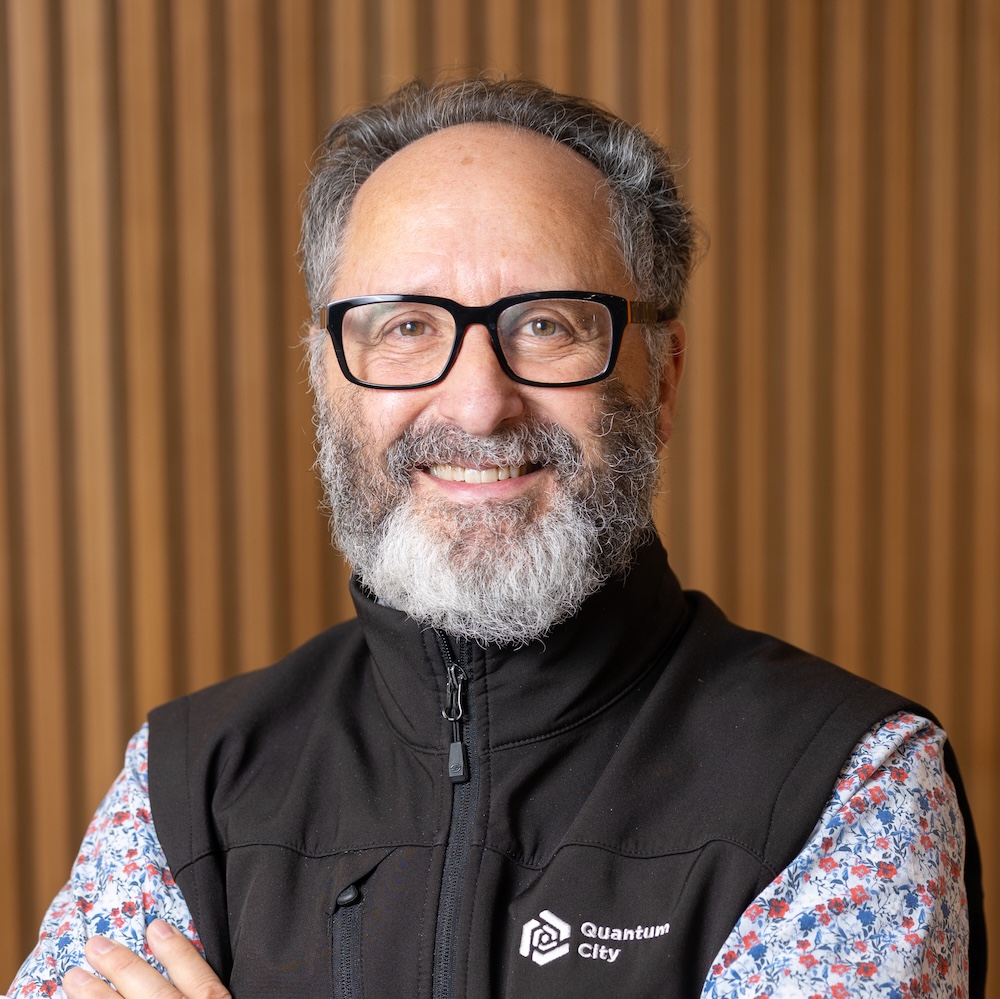
Sanders is Scientific Director of the University of Calgary’s Quantum City, a Senior Fellow at the Canadian Centre for International Governance and Innovation, and Visiting Professorial Fellow at the University of New South Wales in Australia. He is an advisor for CERN’s Open Quantum Institute, the Google-GESDA XPRIZE for applied quantum computing, a few quantum start-ups, and quantum investors. He co-leads the Canada–France Quantum International Research Network, serves on four editorial boards, and has trained over one hundred graduate students and postdoctoral researchers.
Talk Title: Artificial intelligence for representing and characterising quantum systems
Efficiently representing and characterising quantum systems is challenging because Hilbert space is huge, but artificial intelligence, which is good at high-dimensional pattern recognition and function approximation, helps to predict quantum properties and to construct surrogates for quantum states. Applications include quantum certification and benchmarking to enhancing quantum algorithms and characterising strongly correlated phases of matter. arXiv:2509.04923
Kunal Sharma
IBM Research
Bio
Kunal Sharma is a Senior Research Scientist and Team Manager at IBM Research in Chicago, where he leads work on quantum algorithms, quantum advantage, and quantum machine learning. Prior to joining IBM, he was a Hartree Postdoctoral Fellow at the University of Maryland. He also serves as an Editor for Quantum journal.

Talk Title: Learning Ground Sate Observables from Quantum Experiments
Quantum machine learning can be viewed not only as a search for speedups in classical machine tasks, but also as a way to learn from quantum data generated by quantum processors. In this talk, I will discuss this perspective through recent work on learning ground-state observables from quantum experiments. We use quantum data from approximate ground states of two-dimensional Heisenberg XXZ model, constructed using samples from IBM Heron quantum processors and classical high-performance computing, to train neural networks that predict observables across Hamiltonian parameter space. The results show accurate generalization to unseen parameters, suggesting a path toward using quantum computers as data generators for machine learning in many-body physics.
Bill Wisotsky
SAS
Bio
Bill Wisotsky began his academic career at SUNY Albany, graduating in 1994. While pursuing a Ph.D. in Behavioral Neuroscience at CUNY, he conducted biophysics research on neural pathways in the human visual system using visual evoked potentials. It was during this time, while studying photon absorption in the retina, that he first encountered the principles of quantum physics. Concepts like superposition and entanglement, initially explored out of necessity, quickly sparked a deep and lasting fascination.

This curiosity evolved into a passion as Bill delved into the emerging field of quantum computing. He immersed himself in the theoretical foundations and practical applications of quantum mechanics in computation, laying the groundwork for what would become a defining focus of his career.
Bill has been with SAS since 2002 as part of US Professional Services. Throughout this tenure Bill continued to nurture his interest in quantum technologies. He actively pursued coursework, attended seminars, and experimented with various quantum environments. His hands-on exploration led to the development of several small-scale proofs of concept, that ultimately catalyzed the launch of the Applied Quantum AI Initiative at SAS. Today, Bill serves as the Principal Quantum Systems Architect in the Applied Architecture and Technology Practice of Research and Development, leading efforts to integrate quantum computing into real-world business solutions.
Talk Title: Applied Quantum Machine Learning
Machine learning and artificial intelligence are often cited as application areas likely to benefit from quantum computing, but the timeline for realizing practical advantage remains an open question. Must meaningful quantum utility in machine learning wait for fault-tolerant hardware, or can it be explored in the current NISQ (Noisy Intermediate-Scale Quantum) era?
This talk introduces quantum computing and the state of quantum machine learning (QML) from an applied research perspective, with an emphasis on how quantum utility is being defined and evaluated. It highlights a promising near-term approach, quantum reservoir computing, and describes how it is being explored at SAS. The talk concludes with a demonstration of a QRC running in the new SAS Quantum Lab.
Friday (June 5, 2026)
Kenneth Brown
Duke University
Bio
Kenneth Brown is the Director of the Duke Quantum Center and the Michael J. Fitzpatrick Distinguished Professor in the Departments of Electrical & Computer Engineering, Physics, and Chemistry at Duke University. He is an expert in quantum information science and engineering, and he uses the control of quantum systems to develop new technologies and understand the natural world. His research interests are ion trap quantum computers and quantum error correction.
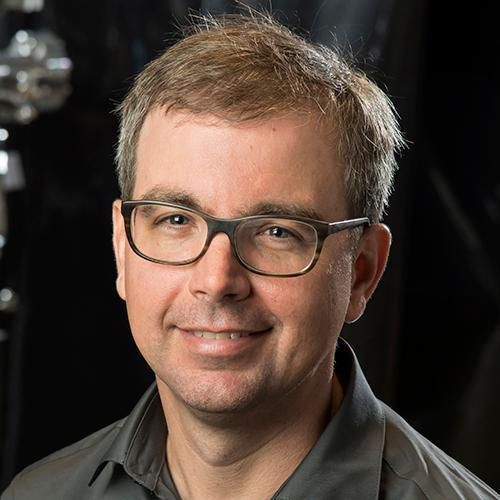
He served on the American Physical Society Council of Representatives for the Division of Quantum Information. He was named a Fellow of the American Physical Society, a Kavli Fellow, and an Experienced Research Fellow of the Alexander von Humboldt Foundation for his work in quantum information.
Talk Title: Controlling Trapped Ion Systems
Trapped ions are a leading platform for quantum computation. In this tutorial, I will explain how single qubit gates are performed and how ion-motion operations can be used to either control the motional states of the ions or to enable two-qubit gates. I will briefly discuss applications of these controls to Hamiltonian simulation and quantum algorithms.
Yudong Cao
Zapata Quantum
Bio
Yudong Cao is co-founder and CTO at Zapata Quantum, a quantum software company focused on accelerating the discovery and development of quantum applications. From 2025-2026 he also served as Head of Quantum at BCG X, the tech build and design arm of Boston Consulting Group (BCG). He has led the development of a collection of works (papers and patents) across several domains of quantum applications, including chemistry, materials, cryptography, optimization and machine learning, as well as quantum-inspired algorithms.

Prior to his industry experience, he was a postdoctoral researcher at Harvard University on quantum algorithms. He holds a PhD in Computer Science from Purdue University.
Why quantum software can’t be built by copilots (and what to build instead)
Implementing quantum algorithms end-to-end remains stubbornly artisanal. Three years of the DARPA Quantum Benchmarking program yielded only about ten fully compiled resource estimations across roughly 150 candidate applications — a measure of how much expert effort each implementation still demands. Can AI close this gap? In this talk I will argue that generative copilots, in the form the AI community currently imagines, cannot — and that the reason has nothing to do with model scale.
Alexey Galda
Moderna
Bio
Alexey Galda is an Associate Scientific Director of Quantum Computing at Moderna, where he leads efforts to develop and evaluate quantum algorithms for life sciences applications, including mRNA design, molecular simulation, and biomedical machine learning. His work focuses on translating advances in quantum computing into practical computational tools for therapeutic discovery and design.
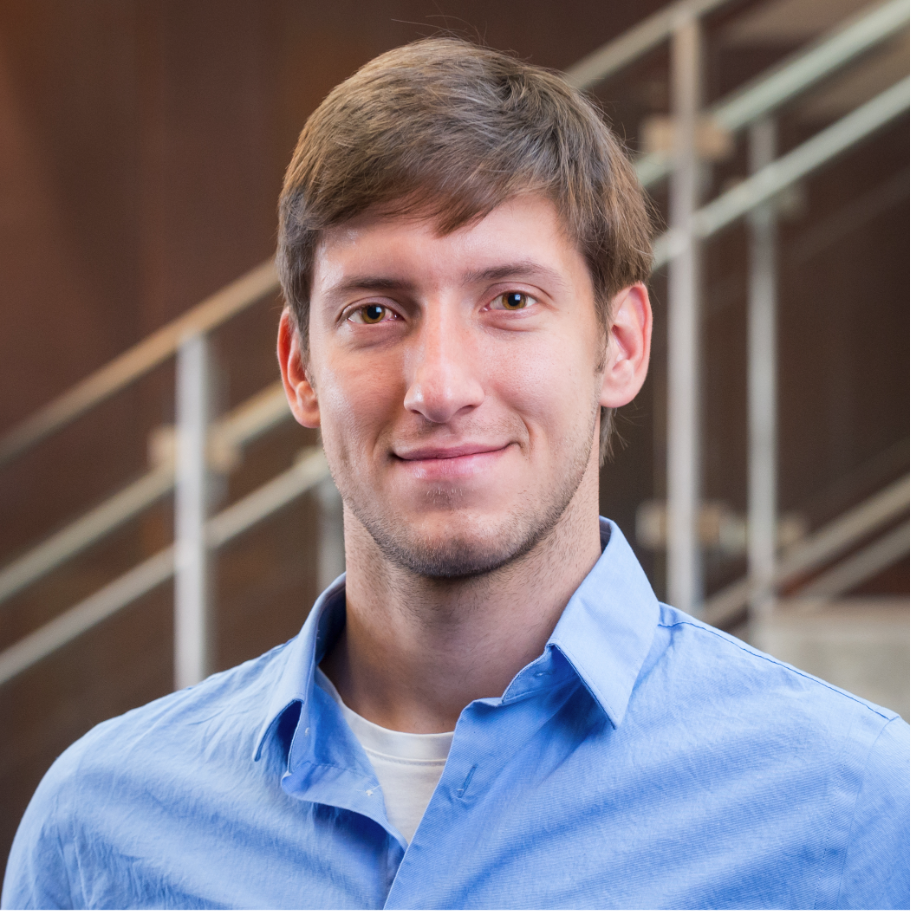
Talk Title: Hybrid Quantum-Classical Optimization for mRNA Design: Compact Encodings, Problem-Aware Decoding, and Connections to QML
mRNA design is a structured biomedical optimization problem in which sequence choices influence secondary structure, stability, translation, and manufacturability. In this talk, I will discuss recent work on hybrid quantum-classical optimization for mRNA secondary-structure prediction and design, including dense-constraint QUBO formulations, compact quantum encodings, variational training, and problem-aware classical decoding.
A central example will be Pauli Correlation Encoding, which compresses many QUBO variables onto a smaller quantum register, together with a decoder that uses trained quantum expectation values as a prior for constrained solution search. Time permitting, I will connect these ideas to broader themes in quantum machine learning for biomedical applications, including data encoding, inductive bias, and learned quantum representations.
Elena Jakubikova
NC State University
Bio
Dr. Elena Jakubikova joined the Department of Chemistry at North Carolina State University in 2010, following a postdoctoral appointment at Los Alamos National Laboratory. She obtained an M.S. degree in Physics in 2000 from Comenius University in Slovakia. She then pursued graduate studies at Colorado State University, where she earned an M.S. degree in Mathematics (2005) and a Ph.D. in Chemistry (2007).

Her current research interests include the theoretical investigation of ground- and excited-state properties of inorganic compounds, as well as small molecule activation via photoelectrocatalysis.
Talk Title: Adaptive Basis Sets for Quantum Computing in Chemistry
Electronic structure calculations on small systems such as H2, H2O, LiH, and BeH2 with chemical accuracy are still a challenge for the current generation of the noisy intermediate-scale quantum (NISQ) devices. One of the reasons is that due to the device limitations, only minimal basis sets are commonly applied in quantum chemical calculations, which allows one to keep the number of qubits employed in the calculations at minimum. However, the use of minimal basis sets leads to very large errors in the computed molecular energies as well as potential energy surface shapes. One way to increase the accuracy of electronic structure calculations is through the development of small basis sets better suited for quantum computing. In this work, we show that the use of adaptive basis sets, in which exponents and contraction coefficients depend on molecular structure, provide an easy way to dramatically improve the accuracy of quantum chemical calculations without the need to increase the basis set size and thus the number of qubits utilized in quantum circuits.